The Brawl(s) at the Hall: Lee Murray, Tito Ortiz and the untold story behind one of UFC's wildest urban legends

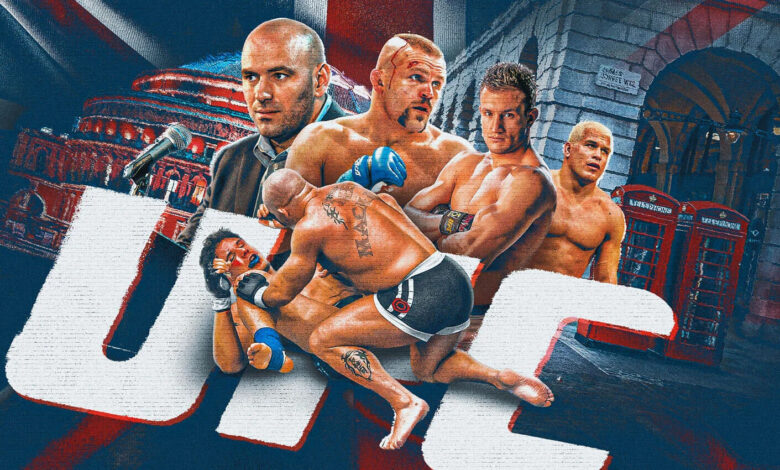
In a London belonging to a long-dead generation, someone coined the street name “China White” for heroin of such quality it could only have been imported from Southeast Asia. By the early 2000s, the term was so mainstream it appeared in official police reports … but it still made for a cool name for a nightclub.
The original China White club was located at 6 Air Street, in the narrow strip of West End London between the famous Piccadilly Circus and upscale Soho. In the summer of 2002, it was a place of burgundy velvet seats, restrooms stocked with expensive perfumes, and where 20-somethings were discovering a relatively new “energy” drink called Red Bull mixed well with vodka.
China White was a place where everyone could fit in as long as they had a combination of money, fame and beauty. As the site of UFC 38’s afterparty, it also remains infamous for one of the most violent and legendary brawls in the almost forgotten history of the UFC.
The ferocious street fight featured three future UFC Hall of Famers, UFC champions, an infamous career criminal and literally a busload of MMA fighters brawling with members of the London underworld as well as local supposed tough guys. When the violence was finally contained, more than a dozen men would be sprawled out, bleeding and choking on their teeth in the gutters outside China White.
One man was so deeply unconscious, he didn’t flinch when a taxi ran over his arm.
But UFC 38 was so much more than the street fight that became internet lore. The UFC’s debut UK event — UFC 38: Brawl at the Hall, July 13, 2002 — featured the promotion’s first television deal; the venue freaking out that the UFC wasn’t, in fact, fake wrestling; a rematch of a fight so cinematic that the WWE copied it; and one of the most heartbreaking human interest stories in MMA history.
More than just the answer to a trivia question as to the first UFC in the UK, UFC 38 is a forgotten milestone on the sport’s road from human cockfighting to conventional sport.
When Dana White and his partners Lorenzo Fertitta and Frank Fertitta III took control of the UFC in January 2001, the UK was an immediate target.
“You guys over here love fighting,” White told a room full of British reporters who’d reluctantly accepted the assignment to cover the UFC’s first-ever press conference in the UK. The venue for the launch event was a London sports bar called Shoeless Joe’s, named, bizarrely, after a U.S. baseball player born in 1887 that very few Londoners would ever have heard of.
Perhaps that’s why Shoeless Joe’s went out of business so quickly. Many of the journalists at the establishment that cool spring day, already grumbling to each other about having to write about so silly a sport, probably thought the UFC was an equally crass and ill-fated American import.
Other than early MMA internet nerds like Andrew Garvey, the assembled press had no detectable interest in the assembled fighters. Instead, they were operating more like hype men for boxing promoter Frank Warren, who had already decried the UFC as fights between “muscle-bound guys who fall off a bar stool and chuck steroids down their necks.”
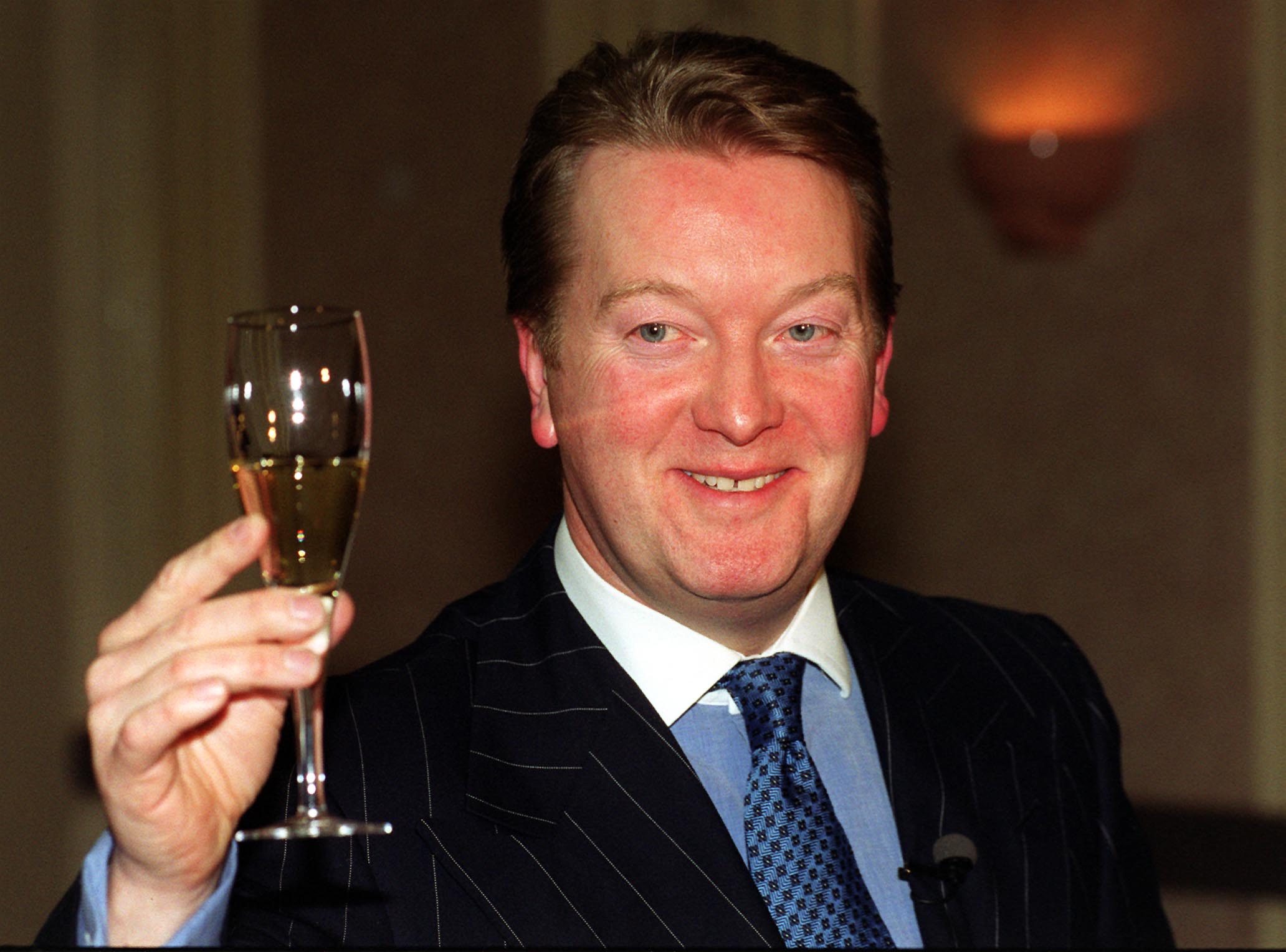
“There’s no mandatory eight count in UFC,” Warren was quoted as saying by his sycophants on the UK boxing beat. “They punch opponents on the canvas. That’s a static target! It’s so dangerous. It should be banned in the UK!”
In reply, White pointed out serious injuries — up to and including death — had occurred in boxing but not UFC. Then he produced a leather sports bag filled to the zipper with crisp British pound sterling notes.
“This is for any one of Frank Warren’s boxers who can win in the UFC,” Dana said.
It was a gimmick, but a gimmick which gained the UFC its first mainstream sports coverage anywhere in the world. Ten years later, Warren released his grip on his pearls when he saw a business opportunity; Warren met UFC UK President Marshall Zelaznik to propose UFC programming join his Box Nation cable subscription channel.
But, at least in 2002, Warren was freaking out because UFC had struck a 13-week agreement with Sky Sports, the UK’s biggest all-sport cable channel. For three months Sky would air tapes of previous UFC events featuring fighters who’d be competing at UFC 38, like UFC welterweight champion Matt Hughes, challenger Carlos Newton and British heavyweight Ian Freeman.
Then UFC 38 itself would air live in the UK on Sky Sport’s pay-per-view arm.
“We’re confident that this thing is going to blow up in the UK,” White said. “We’ve got to kick ass with this event and then see what happened with the guys at Sky.”
Another — even larger — carrot was dangled under White’s nose weeks later. History shows that UFC 38 was not, in fact, the 38th “numbered” offering from the Ultimate Fighting Championship.
In early June, with UFC 38 one month out, already on sale and heavily promoted, the UFC was offered its first U.S. television opportunity: to air a one-off fight on FOX Sport Net’s popular “Best Damn Sports Show Period” show.
That wasn’t a typo. FOX wanted one fight, not an event, for its June 24 broadcast.
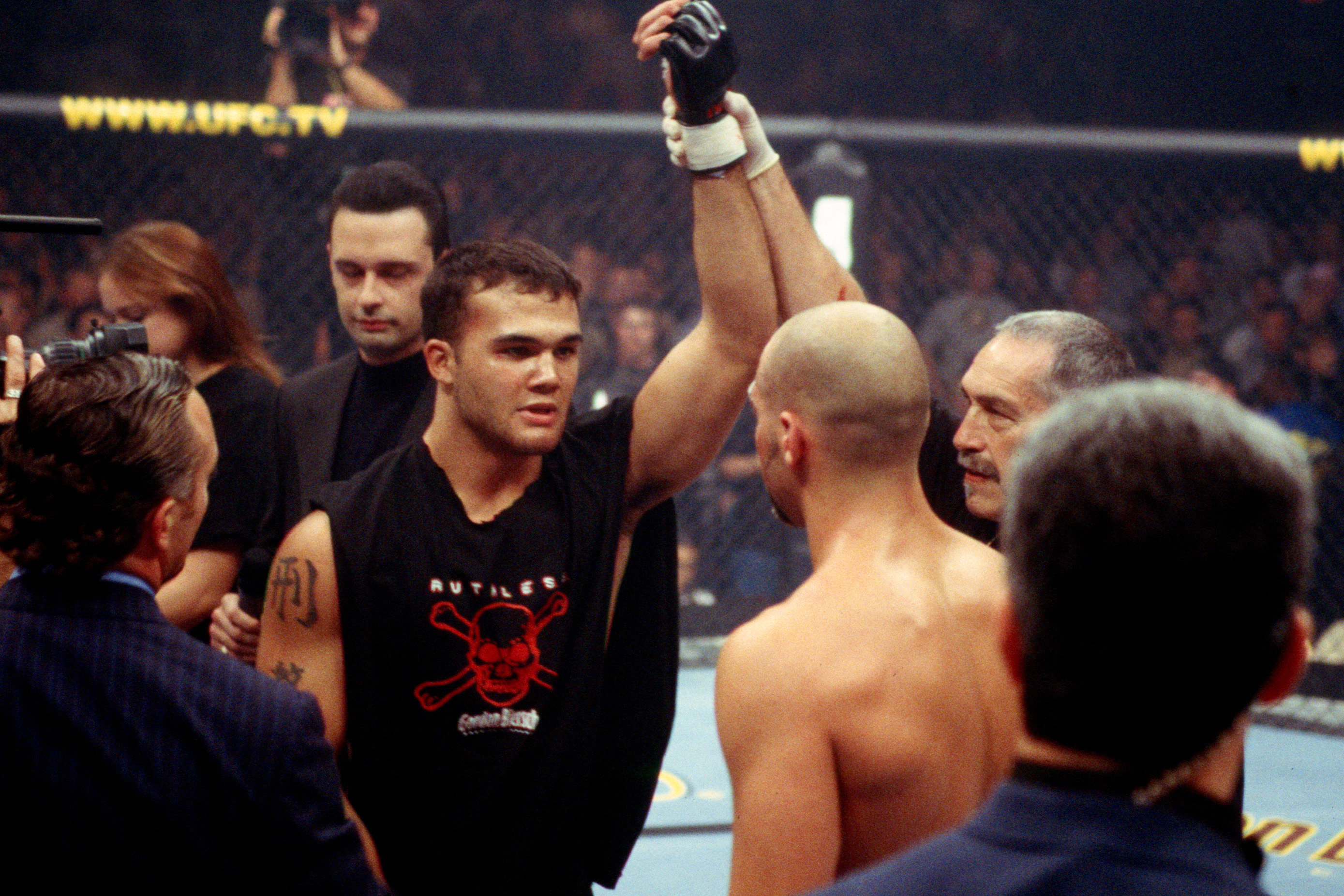
No sports organization in the world moves as fast as Dana White’s. In a press release issued June 17, the UFC stated future champion Robbie Lawler (then 5-0) would fight veteran Steve Berger on “Best Damn,” with the other five hastily arranged bouts — including Chuck Liddell vs. Vitor Belfort — airing on pay-per-view later in the summer.
With a week to sell tickets, UFC booked the show it dubbed “UFC 37.5: As Real As It Gets” in a Las Vegas ballroom. Seats were priced at $25, less than half what TKO COO Mark Shapiro would like to charge us for saying “UFC” these days.
Despite airing on a five-hour tape delay, the Lawler fight delivered near record ratings for “Best Damn.”
“The FOX guys were skeptical at first, but they were blown away,” White told Full Contact Fighter at the time. “We are going talk to them about some pretty cool things.”
It looked like the UFC, just 18 months into White’s stewardship, would actually go from being virtually banned on pay-per-view to having a genuine cable TV deal.
White and company headed back to the UK for UFC 38 believing they could get two such deals — in the world’s two biggest combat sports markets — in a single summer.
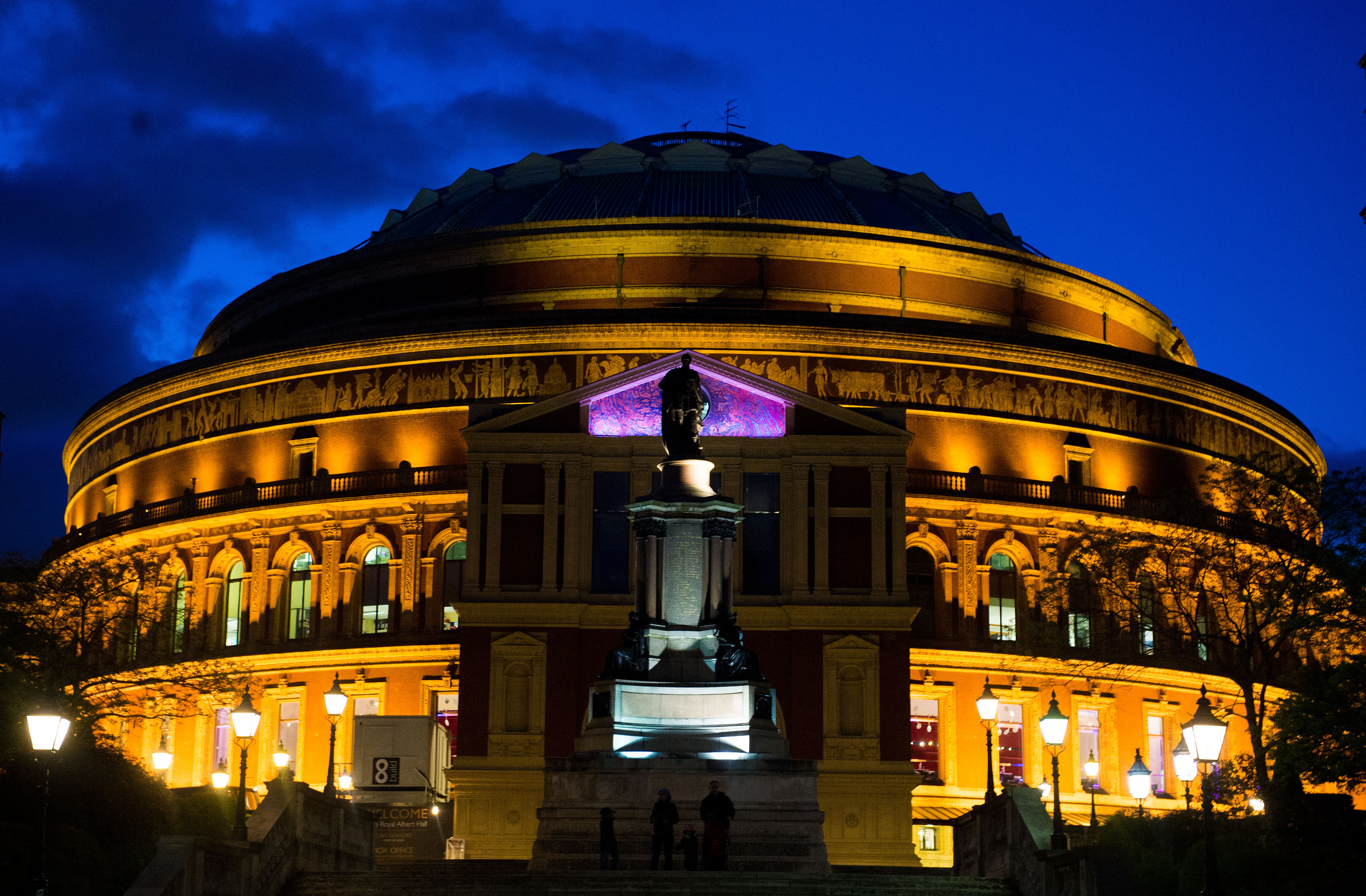
Things started to go off track when the Royal Albert Hall’s management tried to cancel UFC 38.
“WWE had been there a few times, and when we reached out to the Albert Hall, they apparently thought we were putting on a pro-wrestling event,” Keith Evans, UFC executive at the time, told me at the time. “When they read what Frank Warren and others were saying — ‘human cockfighting’ and all that B.S. — they told us they were cancelling our contract. Dana had to threaten legal action until they backed down. Whatever happens, we won’t be back at the Albert Hall again.”
Confusing MMA with worked pro-wrestling may seem ridiculous, but that was not an uncommon mistake in the early 2000s. I had to add “ARE UFC FIGHTS REAL?” as a “FAQ” in UFC press packs when I joined the company as head of UK public relations in 2007.
And the thing is, UFC used to look a lot more WWE, too.
There was a built-out stage with what used to be called the “ego ramp” for fighters to walk down, just like in WWE. Watching UFC 38 era fights now is to see a halfway point between SEG’s Royce Gracie vs. Ken Shamrock era and the look UFC has presented almost unchanged for the past 12 years.
In the arena, though, UFC 38 felt huge.
No, it felt like a happening.
There were British pop stars like Eternal at ringside, along with soccer stars and Elle Macpherson.
Most of the hardcore MMA press, basically 20-somethings like myself with laptops, were more interested in grabbing a moment with Tito Ortiz, the reigning UFC light heavyweight champion. Ortiz was the sport’s OG trash-talker.
Once, after defeating UFC tournament champ Guy Mezger, he produced a custom t-shirt which read “GAY MEZGER IS MY B****!”, which seems charmingly understated in terms of homophobia and casual sexism compared to the MAGA-powered UFC of today.
The UFC’s second-biggest draw, Matt Hughes, was in the business side of the cage. In UFC 38’s main event, Hughes defended his UFC welterweight title in a rematch against the man he’d taken it off, Carlos Newton, in you’ve-got-to-see-it-to-believe-it fashion.
In the second round of their November 2001 first fight, Newton caught powerhouse Hughes in a deep triangle, only for Hughes to stand up while still trapped in the choke. Nevertheless, Hughes appeared to pass out to the choke … which had the affect of dropping Newton like a stone. Both men were unconscious for a second — Hughes from the choke, Newton from having the back of his skull rattled.
A double knockout seemed fair, but the referee awarded the fight — and the title — to Hughes.
One of the awestruck viewers that night was Mark “The Undertaker” Calaway. Recognizing absolute cinema when he saw it, “The Undertaker” and Kurt Angle copied the UFC fight’s ending for their WWE Championship bout on July 4, 2002.
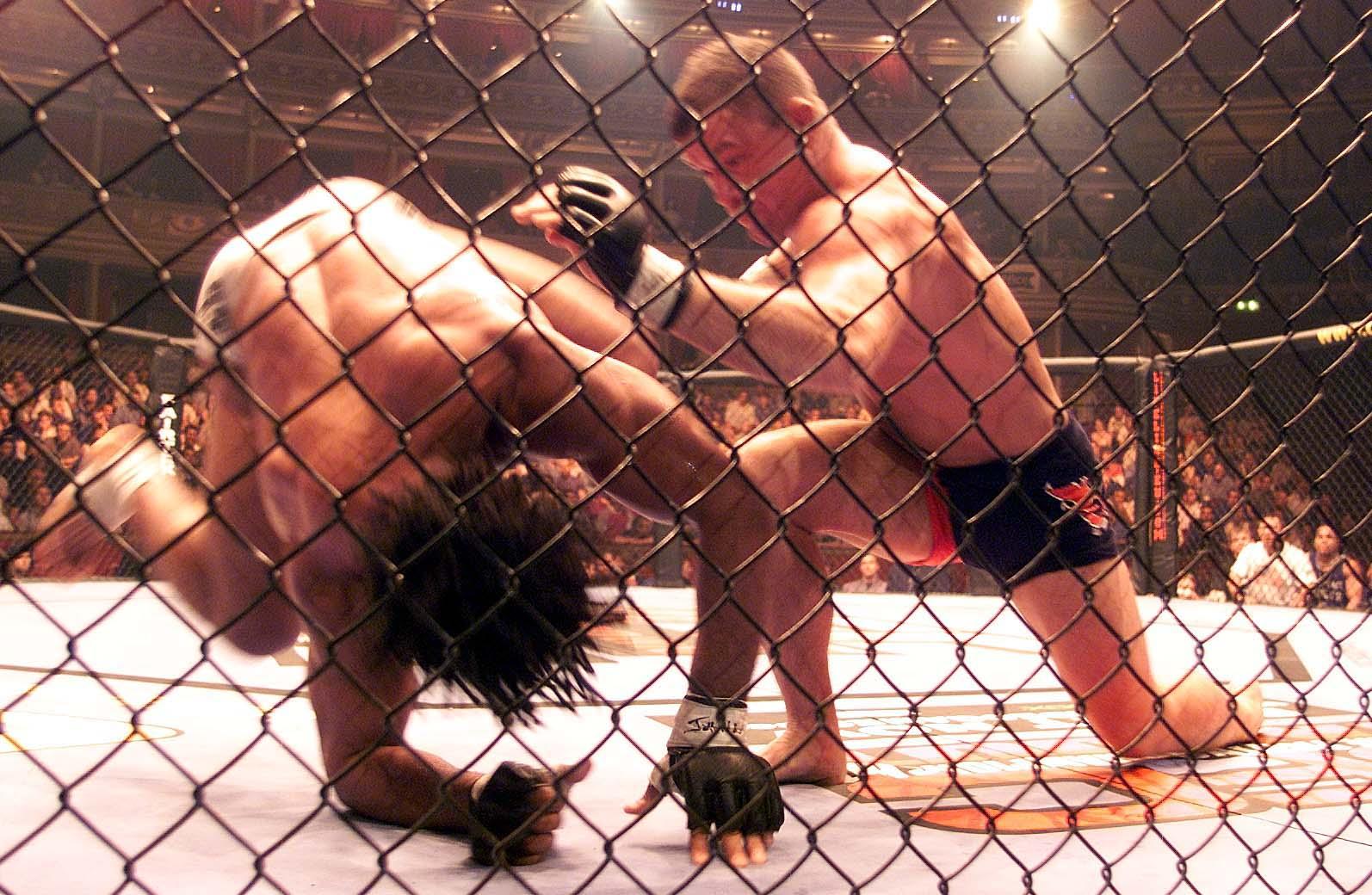
Yet while Hughes vs. Newton 1 was as dramatic as any of the 900 or so fights thus far in the UFC, the rematch at UFC 38 was one-sided. Aside from a moment when Hughes missed a big kick at the start of Round 3, Newton, the favorite going in, was soundly beaten across four rounds.
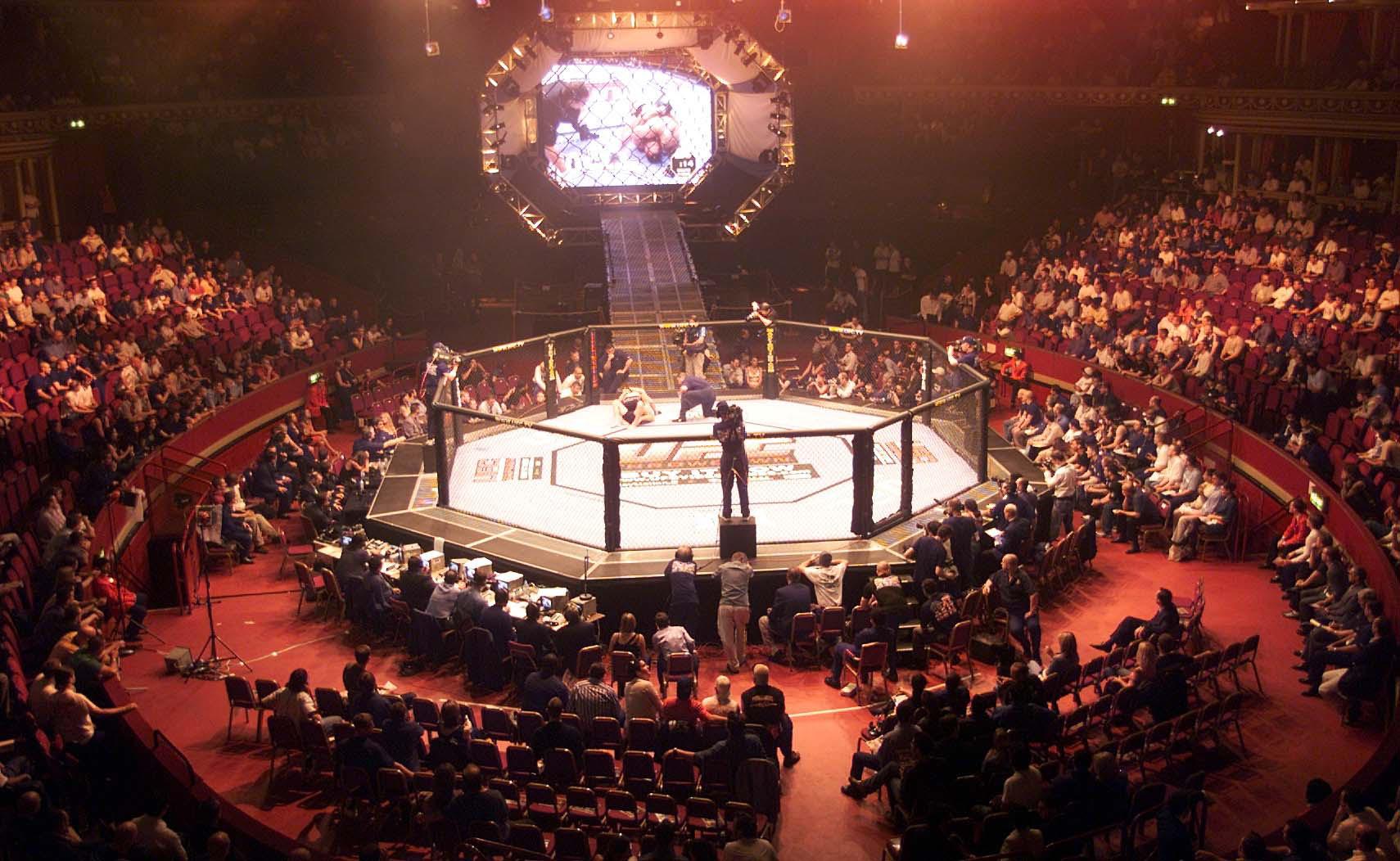
The biggest fight of the night though, at least to the 5,000 or so Britons who had crammed the Victorian amphitheater, had already occurred an hour before the main event.
If it happened today, the story of Ian Freeman vs. Frank Mir — the “people’s main event” of UFC 38 — would be all over international sports news and trend on social media for days. But it happened in 2002, and so this will be the first time you’ve ever heard of it.
A few weeks after his 18th birthday in 1984, Ian Freeman was punched, kicked and stomped almost to death.
An hour before, he’d been enjoying a night out with a friend in his native northeast of England, but a chance encounter with a gang of skinheads at the deserted train station altered the course of his life forever.
As his train rumbled away into the night, Freeman was aware he was being chased. Running blindly, the teen made a mistake of running up a dead-end alleyway.
“I was cornered,” he said. “I didn’t know them, I’d done nothing to them. There were four of them. They punched me to the floor and proceeded to give me the biggest kicking of my life. They took turns punching my face, kicking me in the teeth, kicking me in my back, my ribs … even when I was flat on the ground, in and out of consciousness in a pool of my own blood, they were still stomping.”
One of them ripped Freeman’s watch off his wrist, slicing his skin off. But this wasn’t a mugging. The men were intent on inflicting maximum physical harm for its own sake.
“They took it in turns, beating on me,” Freeman said. “They were literally pacing themselves — when one or two got tired, they’d step back for a rest and the another two would take over.”
Realizing his life was in danger, Freeman finally staggered into the street and threw himself head-first through a row of hedges.
“I had no idea what was on the other side,” he said. “It could have been a 40-foot drop, a [freeway] or train tracks. But there was at least a chance I could survive. I wasn’t going to survive if they dragged me back into that alley.”
As it was, Freeman landed in someone’s backyard. He vaguely remembers hammering on a backdoor before passing out.
The horrific four-on-one assault left the young man in hospital for days. No one was ever charged and Freeman never saw his attackers again.
“It was a bad time,” Freeman remembered. “I was frightened to leave the house again. I was about 10 stone (140 pounds) and felt like I couldn’t defend myself. My family were worried to death about me. My confidence and self-respect was gone. It was like I’d been stripped of my personality.”
His father, Billy Freeman, would not give up on his son. A former national boxing champion, Billy converted the spare room of their small house into a makeshift boxing gym. The punching bag was an army surplus carry-all packed with sand. The weights were lumps of shipyard iron blow-torched into something resembling dumbbells.
“My dad said the only way I’d ever get back what had been taken was by fighting for it.”
Freeman has been fighting back ever since.
Over the next decade and a half, Freeman transformed himself from a terrified 140-pound teenager into a 220-pound heavyweight. He boxed. He lifted weights every day. He became a bouncer, in part thinking that would give him the best chance for a second, very different, encounter with his muggers. And in the late ’90s, it was on the doors of a nightclub that Freeman learned of a new sport called MMA.
“I fell in love with it,” Freeman said. “The complexity, the challenge. Mixing boxing with grappling and anything else you could find that worked. I traveled all over — even to the U.S., and I didn’t have the money to go to the UFC — getting better.
In December 1999, Freeman, 6-0 on the embryonic UK MMA scene, defeated Travis Fulton in a fight the experienced American was foolish to take. Hearing the result overnight, UFC matchmaker Joe Silva ripped up the three-fight contract he’d already offered Fulton.
Instead Ian “The Machine” Freeman became the first British fighter to compete in the UFC.
Lacking the grappling skills of his American rivals, Freeman went 2-1 in the promotion. He then lost four in a row on the international circuit but, luckily, won two big ones at exactly the right time.
Freeman was signed back to the UFC to be the first face of British MMA for UFC 38. He did great at the press conference at Shoeless Joe’s — “I’m not going to slag off boxing, I love the sport. I just love this sport, MMA, more” — and media rounds. In an era before Michael Bisping and Dan Hardy, British MMA was lucky to have Freeman.
There was one big problem though. Even back in 2002 and launching an important new market, the UFC doesn’t matchmake fairytales.
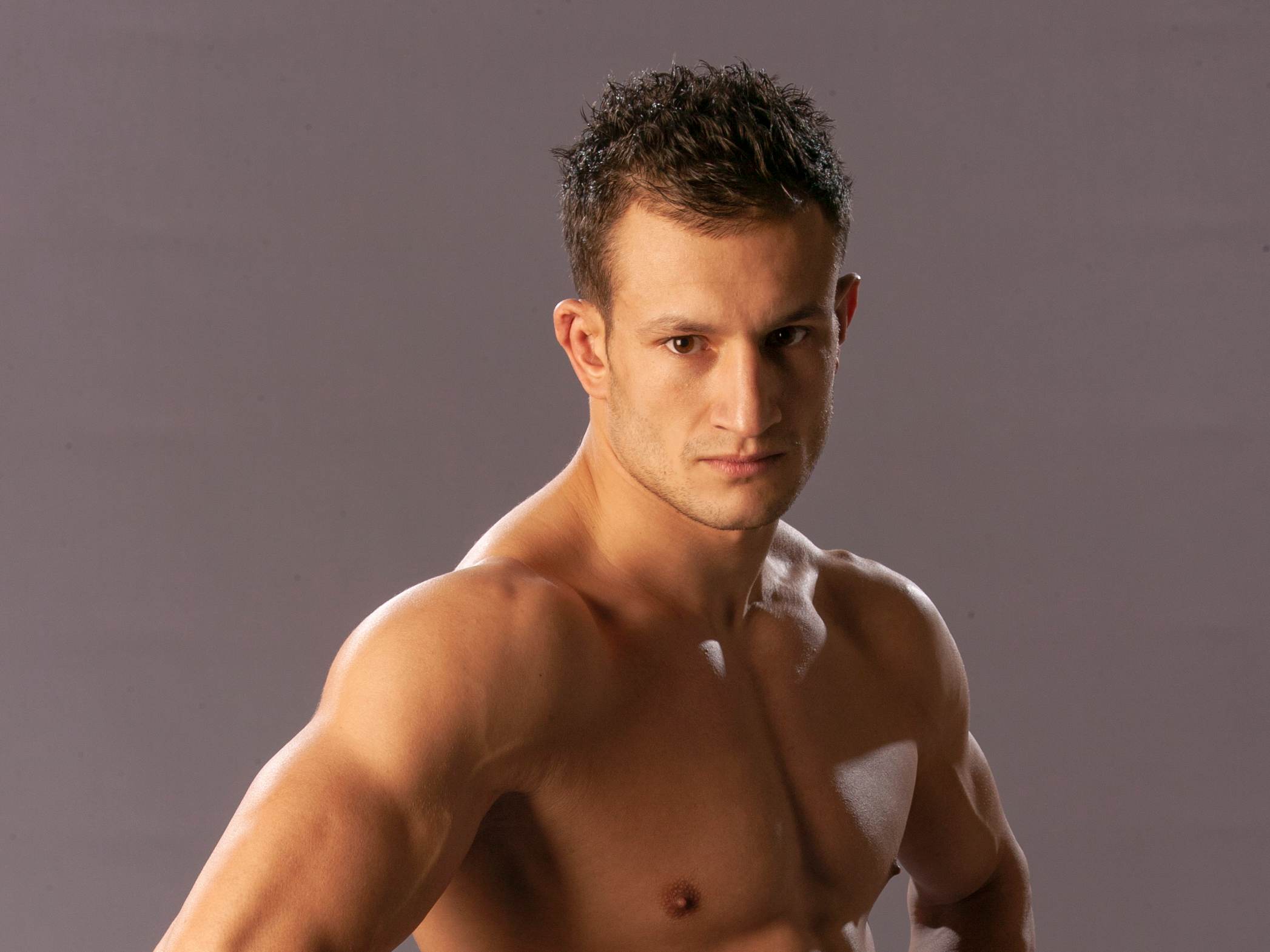
At just 23 years old, rising American heavyweight Frank Mir was the most terrifying talent in the UFC. And while Freeman, 13 years his senior, had bicep-curled his way into the division, the 6-foot-3, 230-pound Mir was a natural heavyweight. He was also 4-0 with four submissions, having tapped out ADCC gold medalist Roberto Traven and previous UFC title challenger Pete Williams in about 60 seconds each.
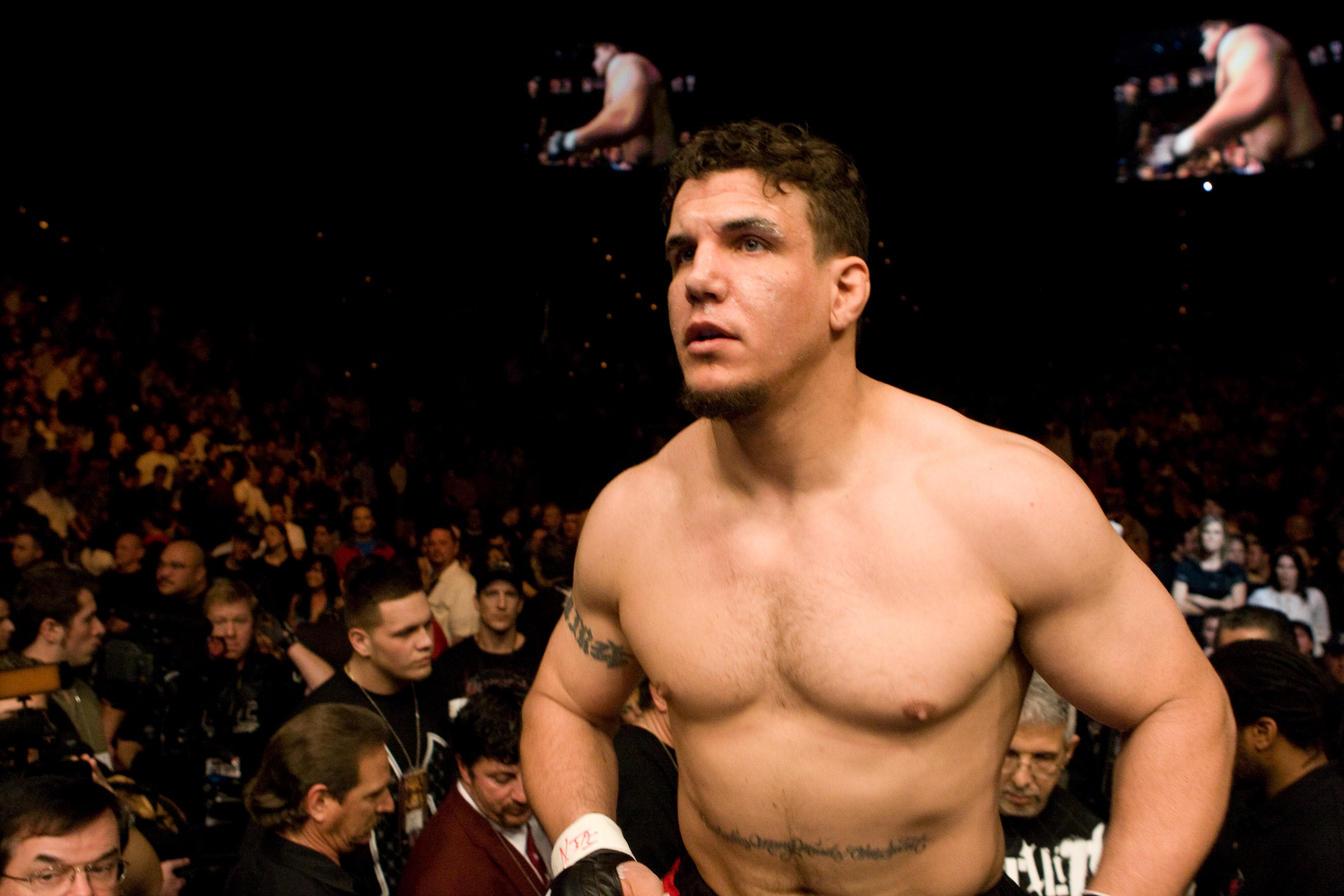
“I was a stepping stone for Frank Mir,” Freeman recalled. “I was supposed to be victim number five for the UFC poster-boy. Mir would come to England, beat me up, and fly to Las Vegas for his title shot. But I don’t blame anyone for thinking that. Mir was a huge step up. I knew had to be better than I’d ever been in my life to stand a chance.”
And so Freeman, not a rich man by any stretch, invested in a full camp in Seattle, where catch-wrestling legend Josh Barnett “murdered” him twice daily. Freeman absorbed elite-level knowledge like a sponge — but then a frantic phone call from England wrecked his world.
His father, Billy, had fallen seriously ill and was in an ICU. By the time Ian reached the hospital two days later, doctors had delivered a devastating prognosis. Brain cancer. Billy had two months to live.
“We all know we will lose our parents, but you can’t ever prepare for it. My dad was everything to me,” Freeman said. “I don’t know if I’d have ever got over what happened to me in that attack without my dad. I couldn’t imagine what the world would be like without him.”
Of course, as soon as he could think straight, Freeman intended to inform the UFC he wouldn’t be competing at UFC 38.
“I just wanted to spend every second we had left with my dad. But my mum wouldn’t hear of it. She said, ‘You’ve worked years for this — this chance won’t come again.’
“But I was like, ‘No, I want to be with dad. There’s no way I can focus on the fight now.’
“I’ll never forget the words she said to me. This is what gave me the inspiration to go in there. My Mum said: ‘Dad’s so proud you became a professional fighter. He knows what this fight in London means. Now, go to London, beat this man up, and give dad the best going away present ever.'”
But life isn’t a Rocky movie. No speech, no matter how emotionally inspiring, cues up a stirring training montage and a guarantee of victory. Covering the fight week, and unaware of the family situation, I thought the occasion and media attention had ‘gotten’ to Freeman, who was now a much more thoughtful, even forlorn figure.
“It wasn’t just my dad that was on my mind,” Freeman said. “I’d competed all over the world and won [Hook-N-Shoot] championships, but if I lost at UFC 38, such a big show, on Sky Sports, I’d only be known as a failure in England. That was a lot of pressure, on top of worrying about my dad.”
The fight came and Freeman made the walk down the ramp to thundering cheers from the British fans.
“Dad should have been there in the front row,” Freeman remembered thinking.
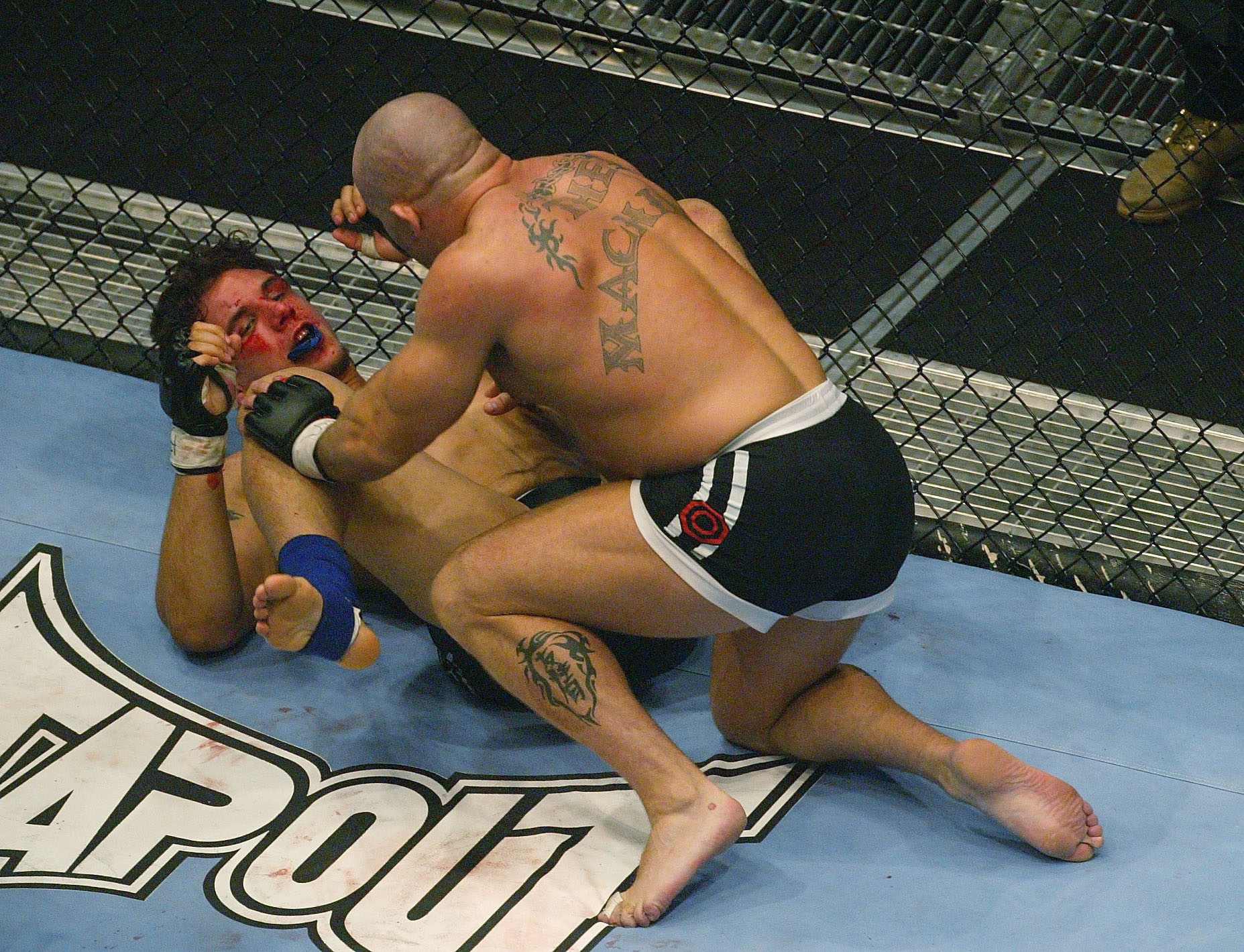
Then the biggest fight of his professional career began. Mir, looking absolutely unfazed, began with high kicks. But Freeman closed the distance like Barnett had taught him, stuffed the American’s takedown and took top position.
“Then it was time to start hurting him,” the Briton recalled.
The term “scapegoat” has slackened with overuse. In ancient Judaism, hands were laid upon a goat — literally the “goat” in scapegoat — to signify it absorbing the villagers’ sins before being driven into the desert to die along with those transgressions.
After crawling away with his life from that alley, after being told his dad was soon to be taken from him, Freeman did something like scapegoating. Not with sin, but rage.
For a man nicknamed “Machine,” Freeman emptied an ocean of piping-hot rage into his opponent, slashing and hacking at the young heavyweight caught beneath him.
Finally, a shell-shocked Mir sniffed a submission and torqued everything he had into a heel hook.
“That thing was vicious,” Freeman said. “Most excruciating pain of my life. Honestly, in a normal fight, I would have tapped. I heard my knee pop, then crack, and I wanted to scream in pain. But I wasn’t going to quit. No way. No man alive could have made me quit that night.”
But then Mir readjusted the submission, giving Freeman enough time to reach forward, grab behind the American’s head and pull himself forward to take pressure off the lock. Freeman began bludgeoning away with his right fist.
“I made a mistake,” Mir said years later. “Freeman wasn’t tapping and, being so young, figured I must have the hold wrong. I didn’t. It was Freeman refusing to tap even though I was wrecking him.”
Eating shot after shot, Mir was forced to let go of the hook. Freeman escaped to his feet.
Then a roar echoed around the Victorian amphitheater: “FREE-MAN! FREE-MAN! FREE-MAN! FREE-MAN!”
Hurt, bloody and bewildered that the ankle hold hadn’t ended the fight, Mir followed Freeman to the feet. He attempted another takedown, handing “The Machine” top position once more.
“When I passed his guard, I knew,” Freeman said. “You don’t pass Frank Mir’s guard that easily. He’d broken mentally. The fight was mine.”
Freeman took side control and battered Mir’s face with elbows, punches and hammerfists until the fight was stopped at 4:35 of the first round.
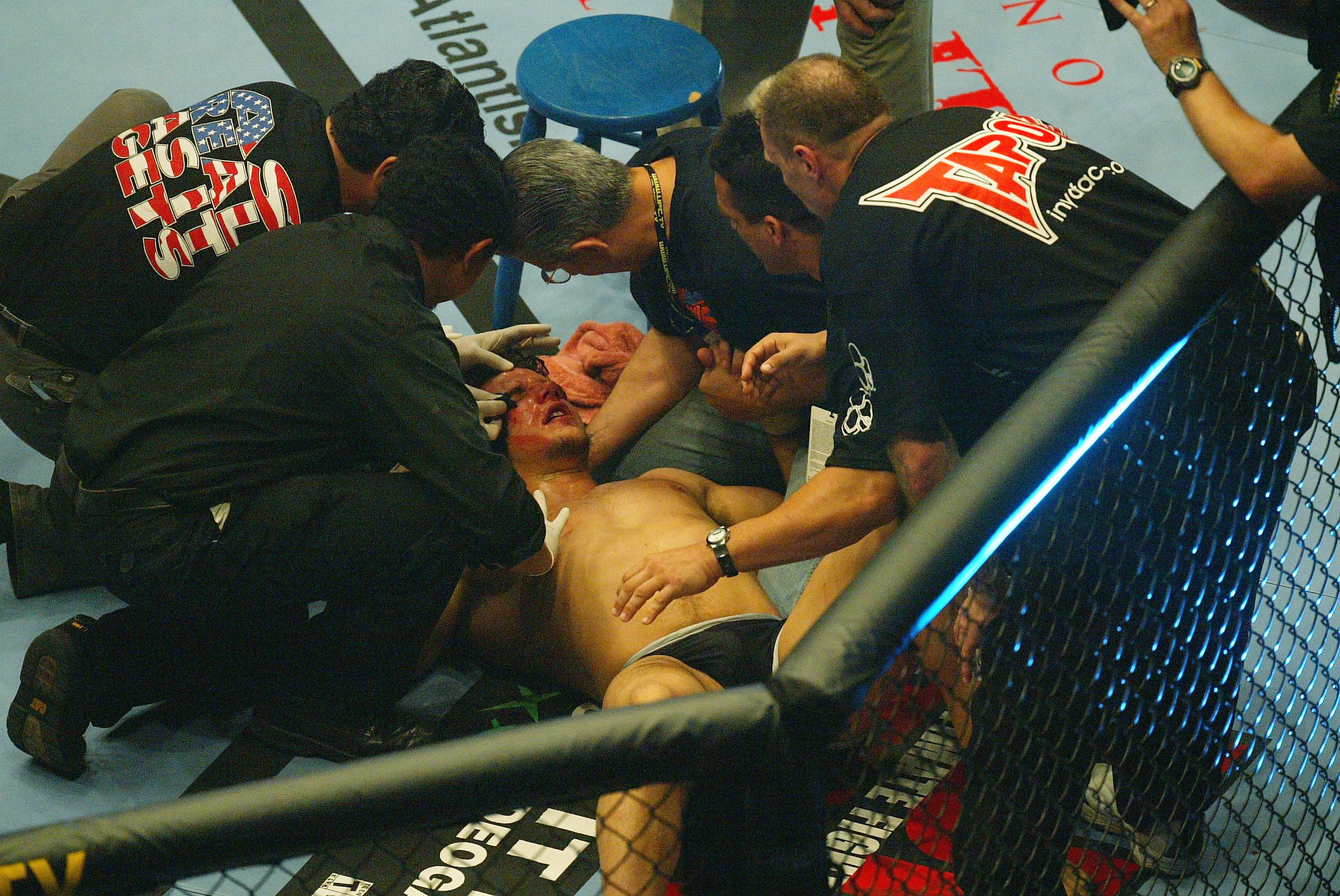
As the Royal Albert Hall roared, the enormity of what he had accomplished sunk into Freeman like a stone.
“I’d won. I’d beaten Frank Mir — Frank Mir — the next big thing, UFC champion in waiting,” he said. “It was one of the greatest moments of my life. It was the highest high. I can’t describe it. I can’t do it justice, what I felt.”
In his post-fight interview in the center of the Octagon, Freeman dedicated the victory to his father, Billy. The crowd hushed when their new hero revealed his dad was in a hospital bed, dying.
Freeman took a breath. “For you, Daddy. I love you.”
The winner limped to his locker room and breathlessly asked his wife to call home.
Her face dropped when she did.
The cancer had taken Billy Freeman the day before.
Billy Freeman’s last wish on Earth was for his son to fight at UFC 38 and have the best chance of winning. He’d sworn the family not to tell Ian if he passed before the night.
The emotional whiplash left Freeman spinning.
“I went from the elation of pure joy to just pure sadness in an instant,” he said. “I was in shock. I don’t even think I cried for a while. I was just empty. I’ve never been so happy and so heartbroken within the span of two minutes.”
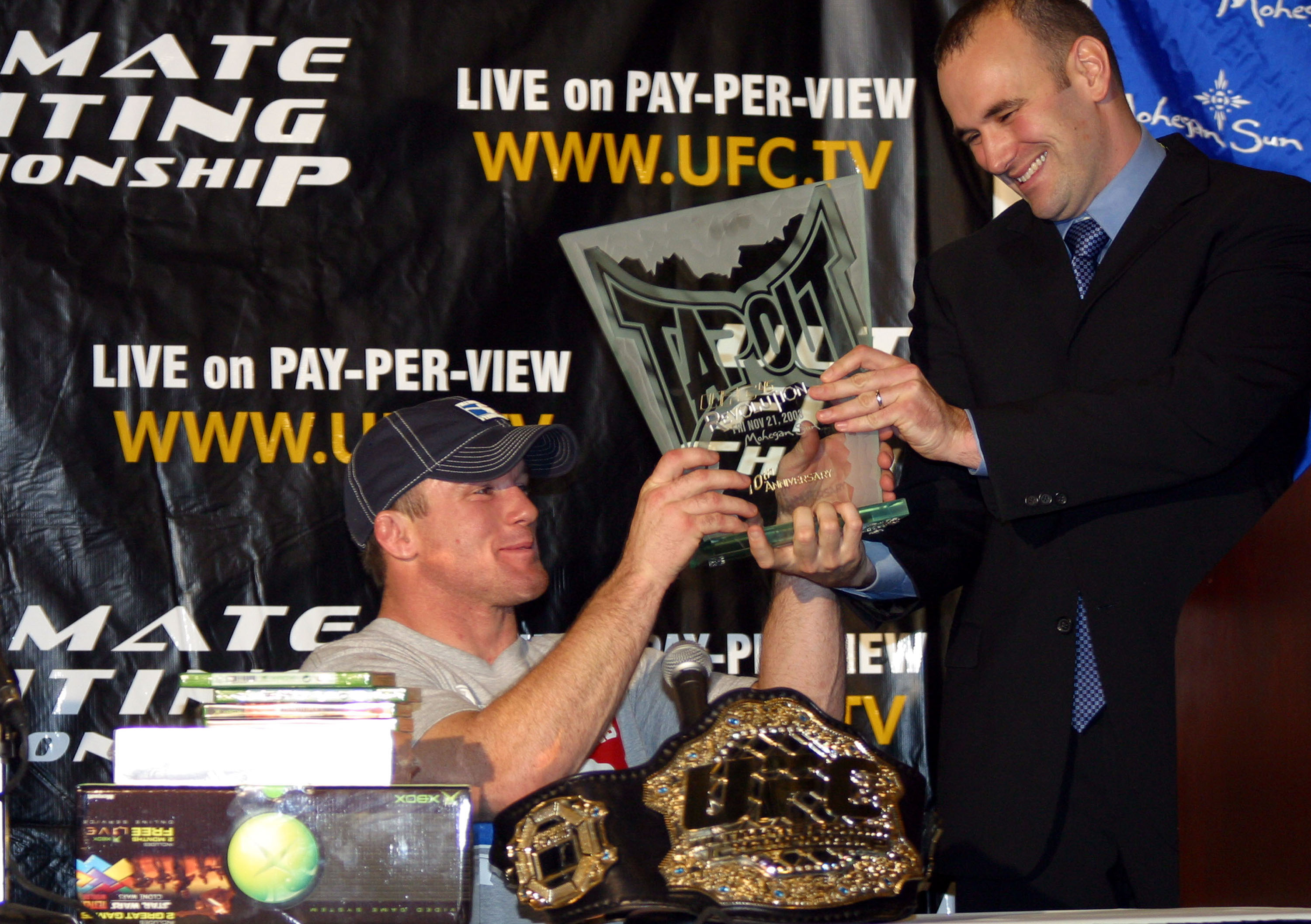
Forgotten as it is, Freeman’s victory over Mir is one of the biggest upsets in MMA history.
“I’m glad I fought at UFC 38,” he said. “I’m pleased my family didn’t tell me about my dad passing. All I ever wanted to do, like any son does, was to make my dad proud. I did that. It was the best fight of my entire career. I was never better than I was on that night.”
Here, he paused for composure as a tear slide down his cheek. Then a smile, wide and genuine with contentment, stretched across his face.
“My dad saw the Frank Mir fight,” he said with certainty. “He was there with me. Dad had the best seat in the house.”
While Freeman was dealing with his most devastating personal loss cascading into his career triumph, the UFC team was buzzing at the success they’d had.
And, as arranged, three busloads of UFC staff, fighters, trainers and assorted hangers-on — like me — travelled to China White nightclub. And it was there, or thereabouts, where the fight the internet immediately dubbed “the Brawl after the Hall” took place.
During my 28 years in and around combat sports, I’ve interacted with some genuinely scary dudes.
I’ve found none as unnerving as Lee Murray.
It wasn’t the London MMA fighter’s size; he was a blown-up welterweight with the type of muscles that twitch fast rather than make you feel overmatched, like standing next to a Stipe Miocic or Brock Lesnar does.
But there was something behind Murray’s eyes. Something in the wake of his jokes, which I, for one, never felt completely comfortable laughing along with just in case he wasn’t joking at all.
I spoke with Dana White about this once, and he knew exactly what I meant. He told the story — repeated several times since in public — of bumping into Lee in the aftermath of the Londoner surviving an attempt on his life in late 2004.
“Murray had been stabbed everywhere — stab wounds all over his body — and he’s still got the stitches in. I had a friend in Boston who was stabbed and [after that] he never wanted to hang out, never felt safe again and wound up leaving town for good. It messed with [my friend’s] head, learning that if someone wants to kill you, that’s nothing you can do about it but hope they don’t stab you in the right place and you get to the hospital in time.
“And Lee Murray is days — days — after getting stabbed so bad they had nurses running up and down getting him bag after bag of blood to keep him alive. Days! And Lee Murray is all, ‘Hey Dana, how you been?’ Like it was no big deal.
“Believe me when I tell you: Lee Murray is a scary dude. And I am not talking about what he can do in a MMA fight.”
That scary dude was at the UFC 38 afterparty at China White.
I didn’t see him much. Aside from an embarrassing conversation with Matt Hughes’ twin brother, Mark Hughes — I thought I was talking to his twin — myself and pioneering MMA writer Andrew Garvey, knowing we were interlopers, kept largely to ourselves.
UFC matchmaker Sean Shelby did hang out with Murray that night, and he reported: “The drinks were flowing, [but] at a certain point I remember Lee just starts pounding shot after shot after shot.”
But then again, reigning UFC light heavyweight champion Tito Ortiz seemed to be enjoying himself. So did his friend — at the time, maybe — and future nemesis Chuck Liddell. So did a lot of fighters who’d fought at or attended UFC 38.
UFC Hall of Famer Pat Miletich, who trained Murray alongside Matt Hughes, explained: “Dana had told us we were going to a fancy nightclub and drinks were paid for. Three buses full of fighters and fight people … and free booze. Maybe not the greatest idea.”
But things were celebratory through the night. Right until kicking-out time.
Murray wasn’t the only one taking advantage of Dana White’s bar tab, of course. When the lights came out and the bouncers politely ushered us toward two wide-open fire exists, it was obvious that many of us had trouble communicating with our feet.
And it was a miscommunication that sparked the street fight that has since become MMA legend.
There are dozens of versions of what actually happened. What I can say for sure is that the brawl did not occur in an “alleyway,” as many of the American witnesses — and participants — will tell you. The streets of that part of London are simply narrow.
I’ll add what else my own worse-for-wear eyes saw, but, overall and owing to a moderate participation in the evening festivities, Miletich’s account has been the most consistent over the years.
He told me: “One of Tito’s friends jumped on my back as a joke. We’d been joking with each other all night and he was playing around, I got it. But a buddy of Lee’s thought the guy was attacking me and jumped in. Then it exploded.”
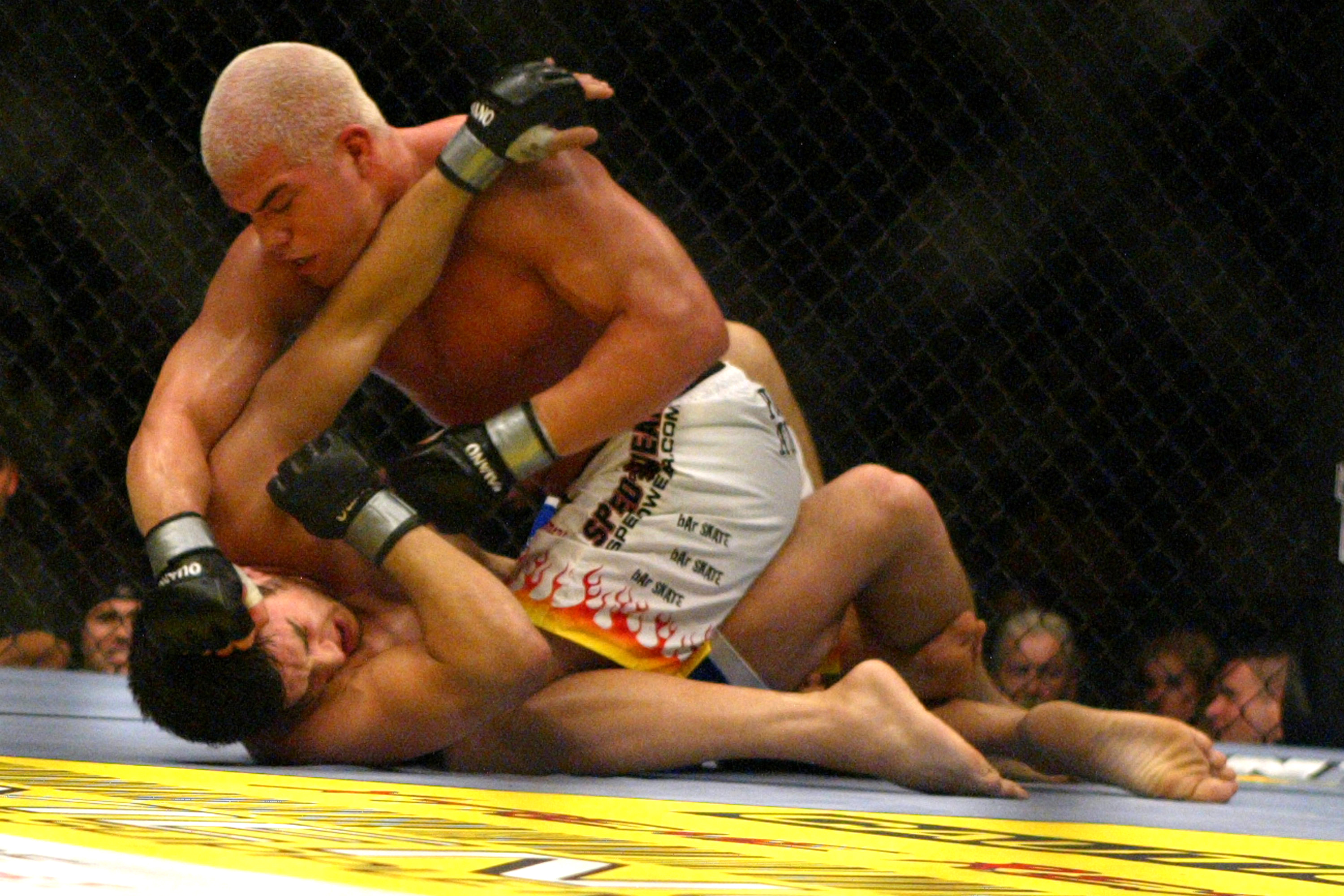
That’s when the arm was run over by the taxi.
Shelby: “It was like a powder-keg blowing up. Suddenly you got a fight over here, a fight over here, a fight over here. Everyone was fighting.”
Miletich: “Then out of nowhere, Lee Murray comes sprinting and lands a superman punch to Tito’s friend. The friend flies backward, totally unconscious, with his arm in the road, and a second later a black London taxicab runs over his arm.
“Tito comes running past me, throwing off his jacket. I see he’s heading for Lee, and Lee is taking off his jacket. Tito came at Lee and threw the first punch — maybe two or three punches — and Lee slipped them all. And then Lee flattened him with a five-punch combo. Lee had some of the fastest hands in MMA. Every punch landed. Tito was out before he hit the ground … and when he was on the ground, Lee was kicking on him.”
Shelby: “Then Lee started stomping on Tito like a guy trying to kill a rattlesnake. But there’s fights everywhere. It seemed like the fighting went on for hours, but it was probably three or four minutes.”
Miletich: “Lee was my fighter, but I was friends with Tito at the time, plus I knew this whole thing was a mistake. So I grabbed Lee and say, ‘The cops are coming — you gotta go.'”
At this exact moment, I myself couldn’t take my eyes off Chuck Liddell, who began slicing his way through the mob of drunks like an avenging Angel of Death.
“I heard exaggerations that I knocked out 12, 13 people,” Liddell said years later, “but realistically it was probably seven. Maybe eight.”
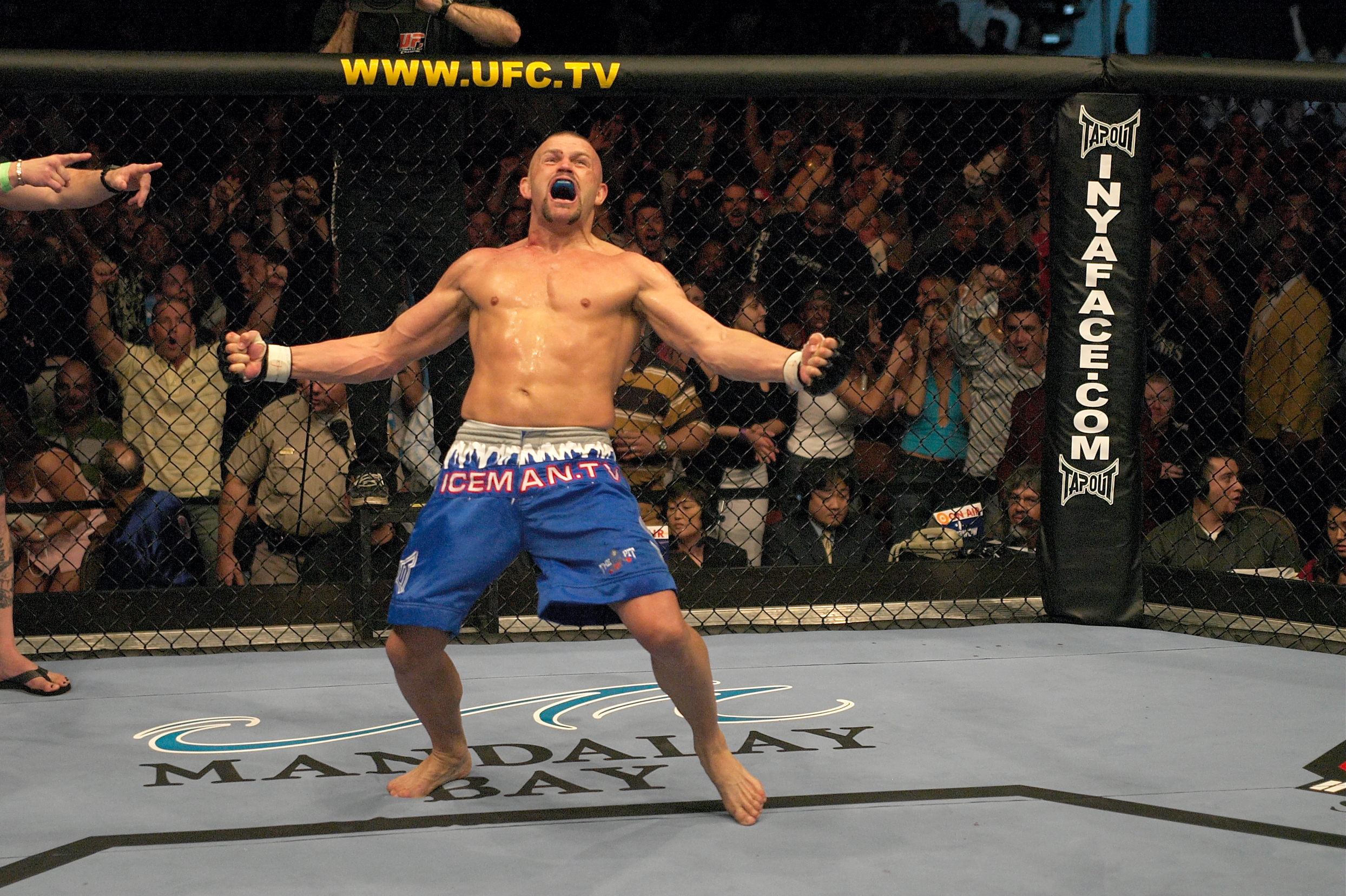
In various retellings, I’ve described it as Liddell “firing a high-powered pistol point blank into fools’ heads,” and the men’s “legs folding under them like f***ed deckchairs.” I’ve also used the phrase: “Buzz Lightyear and Woody flopping down when Andy walks in the room.”
But the truth is I have yet to find the words to convey the violent comedy of what I witnessed.
The police are always out in force when the freedom-loving people of England are drinking in numbers and, within minutes, two vanloads of them arrived outside China White.
I recall Miletich speaking with them, saying it wouldn’t be a good idea to use pepper spray on a horde of MMA fighters. I also remember Ortiz limped by me.
Ortiz recalls things very differently, insisting: “Lee Murray came at me, we threw punches, we grappled. I caught him in a Thai clinch but my dress shoes slipped. I went down and he punched me, and I was taking him down, but we got up and that’s when the cops came.”
Miletich countered: “Tito’s account is flawed because at the time he was knocked out by Lee Murray. I’ve spoken to Tito about this on a podcast when he was in front of me. Eye to eye? He didn’t disagree with what I said.”
What’s curious is that Liddell — who had zero motivation to make Ortiz look better — backed up at least parts of Ortiz’s version. Then again, Liddell recalls China White as “an English pub.”
The particulars of history are seldom as alluring as the mystique of legend and, in an “alleyway” in London, the legend of Lee Murray and “the Brawl after the Hall” was born.
Murray delighted in his early MMA internet fame. He took to posting on the primordial Sherdog forum, often boasting of leathering some hapless member of the public for some minor slight or imagined insult. Sherdog’s moderators found these assaults required reading, and “pinned” Murray’s ever-expanding thread of confessions to the top of their board.
I was on those forums at the time, too. Knowing the rumors that Murray’s extravagances — the silk shirts, the flashy cars, the spacious house in the London suburb of Sidcup — were not paid for by MMA fights in front of 500 people in the Millenium Brawl promotion, well, I thought Murray was a violent thug.
As you’ll know, British law enforcement eventually identified Murray as the mastermind behind the infamous 2006 Securitas depot heist, in which a gang posing as police kidnapped the manager of a cash depot along with his wife and 7-year-old son, held them hostage, forced their way inside and stole almost £53 million in banknotes.
Murray fled to Morocco, where he holds dual nationality, but British authorities cut a deal with the Moroccan government, with Murray being convicted over there. Murray is currently serving a 25-year sentence in a Moroccan prison.
It was like a powder-keg blowing up. Suddenly you got a fight over here, a fight over here, a fight over here. Everyone was fighting.UFC matchmaker Sean Shelby on the infamous “Brawl after the Hall”
Back outside China White in 2002, the cops had contained the fighting and were dispersing the crowd.
Reality crashed down on the UFC for a time, too.
As history records, neither FOX Sports Net nor Sky Sports offered UFC a television deal that Dana White could accept. It would take another three years of limping on before the UFC hit upon its “The Ultimate Fighter” concept and secured a future none of us in 2002 could ever have predicted.
Ortiz, clearly embarrassed by the Murray brawl, told White that Miletich’s guys had “jumped him”. That was the end of Miletich’s good working relationship with the UFC until 2014, when White apparently reached out and told Miletich he’d been mistaken.
But as the daylight began to beam at us between the streets of old Londontown, we didn’t think about the details of the road ahead. Those would all figure themselves out, because, after all, we were all so young and this UFC stuff was so cool to be around.
This is it, I remember thinking as shadows were driven into the alleyways, I want to be involved in this sport for the rest of my life.
Others heard the call, too.
Later in 2002, both pioneering UK MMA promotions Cage Rage and Cage Warriors held their first shows. These two standouts were among half a dozen small hall promotions that would be the progenitors of the first real generation of full MMA fighters in the UK.
Within a year, a former kickboxer named Michael Bisping would be convinced to give this new sport a go. So would a martial artist named Dan Hardy. MMA gyms would spring up in London, in Liverpool, Manchester, Birmingham, Belfast and elsewhere. Some would fail but others would, one day, produce British-born UFC champions.
It would all take longer to arrive than we thought, but, as we staggered home on July 14, 2002, we felt the dawn of MMA had come.