
World Cup fans still searching for tickets are being warned about fake sellers using social media, copycat websites, and risky payment requests to reach desperate buyers.
The danger is not limited to a bad link or an obvious fake page. Ticket brokers told CBS Miami that scammers are approaching fans with offers that look legitimate, then pushing them toward payments outside protected checkout systems.
Fans looking at resale sites are also seeing limited-inventory language for 2026 FIFA World Cup tickets. CBS Miami reported that StubHub, Vivid Seats, and Event Tickets Center were already showing warnings about high demand and low availability.
That pressure can make a fake offer feel like a last chance. A buyer who believes seats are disappearing may move faster, skip verification, and send money through Zelle, Venmo, crypto, or another payment method that is hard to reverse.
Brokers Warn Against Social-Media Ticket Deals
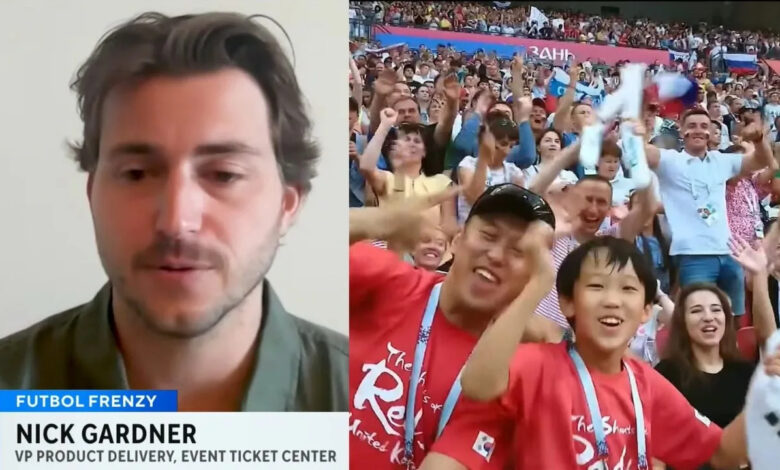
Nick Gardner, vice president of product delivery at Event Tickets Center, told CBS Miami that urgency around limited ticket inventory can push fans into unsafe purchases.
“That urgency can lead to some vulnerabilities in looking in unconventional ways to get tickets and leaving them open to get scammed,” Gardner said.
Gardner warned fans not to search for tickets through social media sellers, especially strangers who reach out after seeing that someone is looking for seats. He also warned against transactions through Zelle, crypto, or Venmo and told buyers to look for secure checkout and transparent sellers.
BBB Scam Tracker Already Lists World Cup Ticket Complaints
CBS Miami reported that the Better Business Bureau’s Scam Tracker listed at least 15 alleged schemes involving 2026 FIFA World Cup ticket sales.
The number does not capture every victim or every attempted scam. It shows that complaints connected to the tournament are already appearing while fans are still trying to get into games.
The setup can be simple: a realistic ticket offer, a reason to hurry, and a request to move the payment away from a protected platform. Once the buyer pays through a direct money-transfer app, cryptocurrency, wire transfer, or another hard-to-reverse method, recovering the money can become difficult.
The FBI Warns Fake FIFA Websites Are Appearing
The FBI’s Internet Crime Complaint Center warned on May 27 that cybercriminals were spoofing FIFA websites before the 2026 World Cup.
The FBI said spoofed websites can imitate legitimate branding, product listings, and web addresses to collect personal information, sell fake World Cup tickets and hospitality products, or support other malicious activity.
Some fake domains use small changes that are easy to miss, including altered spellings, different top-level domains, or FIFA-like names that look official at a glance. The FBI advised fans to type FIFA’s official website directly into the browser address bar instead of relying on sponsored search results, ads, emails, or social-media links.
FIFA and the FTC Warn About Unofficial Tickets
FIFA’s ticket support page says tickets bought outside FIFA.com/tickets can carry serious risks.
Tickets sold through unofficial resale websites, social media, or unknown third-party vendors may be fake, sold to multiple buyers, already voided, rejected at the stadium gate, or canceled without notice, according to FIFA. The organization says fans should buy through FIFA.com/tickets, the official ticket hub, or official resale and exchange channels.
The FTC gives a similar warning about copycat sites, paid search results, and social-media links. The agency says most World Cup tickets will be delivered electronically through the FIFA app, and that paper tickets or screenshots are red flags.
Meta has also said global sporting events can drive fraud, including ticketing scams, misleading accommodation offers, and false immigration-processing claims. The company said it was launching Facebook pop-up notifications for World Cup ticket searches and related groups to remind users to buy from verifiable sources.
Fans should treat any direct-message ticket offer, discounted seat, payment-app request, crypto demand, screenshot ticket, paper ticket, or unfamiliar FIFA-looking website as a warning sign. The safer move is to type FIFA.com/tickets directly into the browser, use official resale channels, and avoid sending money to strangers through Zelle, Venmo, crypto, wire transfer, or cash apps.