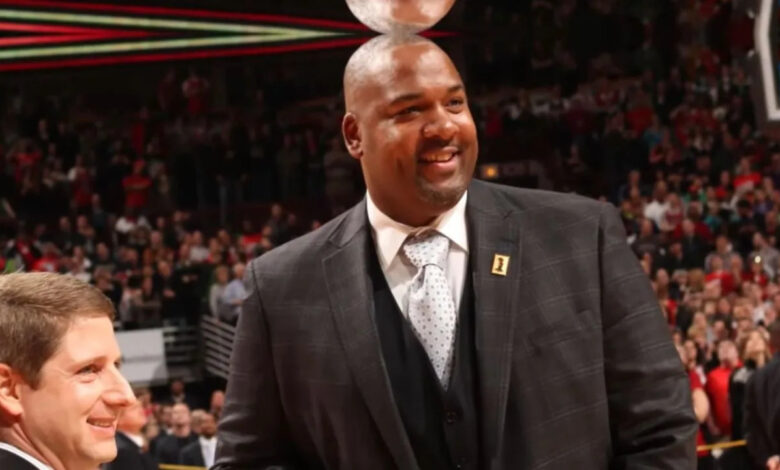

Stacey King helped the Chicago Bulls win three NBA championships, then became the voice that made ordinary regular-season nights feel like appointment television for a generation of fans.
The former Bulls forward-center and longtime team broadcaster died Sunday, June 7. He was 59. The Bulls announced his death after being notified by a family member. TMZ reported that no cause of death was mentioned in the initial announcement.
View this post on Instagram
King Was Part of the Bulls’ First Three-Peat
King began his NBA career in Chicago after the Bulls selected him with the sixth overall pick in the 1989 NBA Draft out of Oklahoma. At 6-foot-11, he gave the team frontcourt depth during the early years of its championship rise.
He was part of the Bulls teams that won three straight NBA titles from 1991 through 1993 alongside Michael Jordan, Scottie Pippen, Horace Grant, and the rest of the core that turned Chicago into the center of basketball.
King played five seasons with the Bulls before later spending time with the Minnesota Timberwolves, Miami Heat, Boston Celtics, and Dallas Mavericks.
View this post on Instagram
His Broadcast Career Made Him a Chicago Fixture
King’s playing career gave him championship rings. His second act made him feel like family to Bulls fans who heard him night after night.
After his time on the court, King returned to the organization as a television analyst and spent more than two decades calling Bulls games. NBA.com reported that the league remembered him as a three-time champion and longtime Bulls television analyst whose passion, knowledge, and energy connected with generations of fans.
King’s voice became especially tied to the Derrick Rose era, when Bulls broadcasts regularly turned into highlight-reel moments. His calls had volume, humor, and a former player’s feel for momentum.
“Gimme the Hot Sauce” Became His Signature
King’s commentary was never quiet background noise. He brought catchphrases, nicknames, laughter, and a fan’s excitement to the broadcast while still reading the game like someone who had played it.
“Gimme the hot sauce!” became his signature call, especially when a Bulls player hit a big shot or created a moment worth replaying. He could make a January game feel bigger than the standings suggested, and he gave fans something to quote after the final buzzer.
That was the difference between King and a standard analyst. He did not only explain what happened. He gave Bulls fans a sound for the moment.
The Bulls Called Him a Cherished Part of the Organization
Bulls chairman Jerry Reinsdorf said King was “one of the truly unique personalities” in the team’s history and praised the joy, humor, candor, and passion he brought to the organization.
Michael Reinsdorf also said King made fans feel connected to the team and had a gift for making every game feel personal.
Those tributes matched the way many fans experienced him. King was not only a former player sitting behind a microphone. He was part of the emotional texture of Bulls basketball after the dynasty years, through rebuilds, playoff pushes, disappointments, and nights when his energy gave the broadcast more life than the scoreboard did.
Oklahoma Was the First Place He Became a Star
Before Chicago, King was a standout at the University of Oklahoma. He helped the Sooners reach the 1988 national championship game and became one of the program’s great frontcourt players.
The University of Oklahoma lists King among its honored jersey players, noting that he was a consensus first-team All-American in 1989, Big Eight Player of the Year as a senior, and the sixth overall pick in the 1989 NBA Draft.
His No. 33 remains part of Oklahoma basketball history.
King Belonged to Two Generations of Bulls Fans
King’s Bulls life stretched across more than three decades.
For fans who watched the first Jordan championship run, he was a reserve big man on the teams that brought Chicago its first three NBA titles. For younger fans, he was the broadcaster whose catchphrases, jokes, and big-moment calls became part of how they experienced the team.
That is a rare place in franchise history. King did not only pass through Chicago as a player. He came back, stayed, and became part of the way Bulls basketball sounded.
His death leaves the Bulls without one of the voices most closely tied to the team’s modern identity: a champion from the dynasty years, a broadcaster with unmistakable rhythm, and a Chicago sports personality whose calls will keep living in old highlights long after the games are over.