Is Dana White right? Why fight sports is — and has to be — about more than just 'holy s***' moments

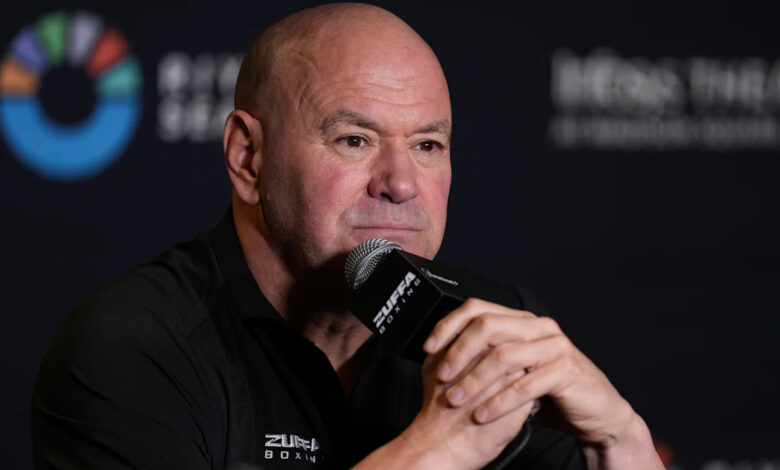
A few times lately, UFC CEO Dana White has offered the same succinct description of his own job.
“I sell holy s*** moments for a living,” White said on a podcast a while back. This was while extolling the virtues of Power Slap, which he insisted will one day be bigger than the UFC in part because of its consistent delivery of those moments. (More on this in a moment.)
He alluded to it again just last week, at the pre-fight press conference for the UFC Fight Night event in Belgrade, Serbia. When he was asked which fight he was most looking forward to, White first called it a “s***** question” and then eventually replied that he was simply hoping for “a few holy s*** moments on Saturday night.”
The fighters did their best to deliver. Out of 14 fights on the card, 10 ended in the first round — a record for the UFC’s modern era. But then, if quick finishes is all you’re after, you can usually get that just by booking a series of mismatches. Take some guy who has no business being in the Octagon, throw him in against a gifted purveyor of sanctioned violence, and you’ll probably get a moment or two of memorable human carnage, at least there at the end.
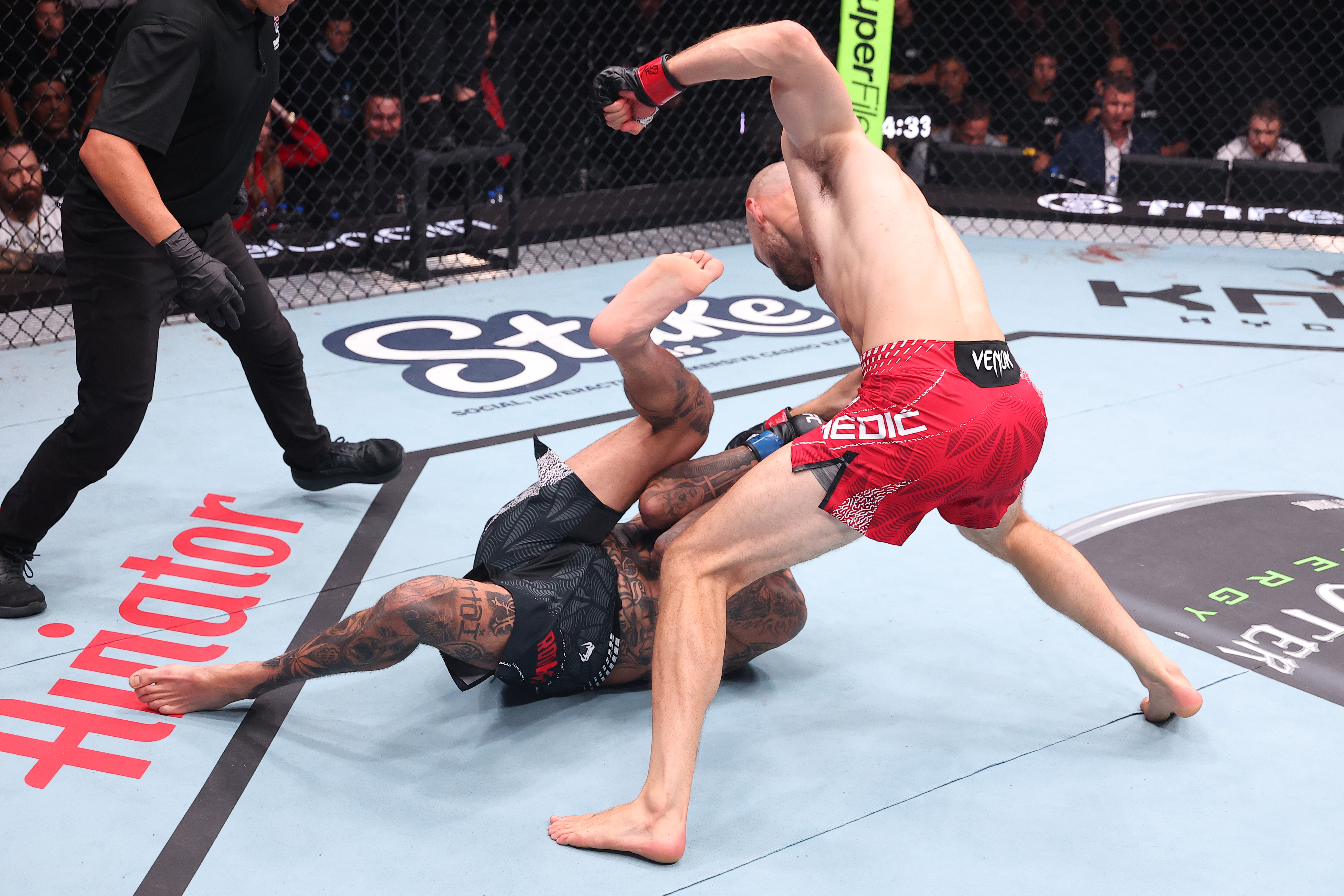
It’s an interesting way to think about the sport, though. Moments. Not whole fights. Not personalities or individual stories or even the vaguely mathematical logic of the rankings. Just big, crazy moments that will have Joe Rogan making that face as he grabs a fistful of Jon Anik’s shirt.
Maybe this is just what it takes to adapt to the social media age. Spreading the gospel of the sport means you need clips, those little bite-sized reels you can post to Instagram or TikTok, sneaking into people’s algorithms whether they like it or not.
This seems to be the entire goal with the Power Slap venture. Every time it comes up, which is to say when White brings it up on podcasts and in interviews, he spotlights its success on social media. The follower count. The number of total views per month. Every time a set of eyes falls upon a short video of some Power Slapper clubbing a stationary human target, that serves as proof to White that his side quest is working.
Behold, the massive popularity of people slapping other people who just have to stand there and take it. It doesn’t matter if no one can name a single Power Slap star or recall specific, what, matches? Bouts? It’s a machine for moments, according to White, and moments are what he’s selling.
“This will be bigger than the UFC,” White told the Trigger Nometry podcast. “You don’t have to train 10 years and be an incredible athlete to do it.”
In other words, any jabroni off the street could show up and give you a moment. Not like this MMA thing, which requires boring stuff like discipline and skill and training and athleticism. This is even better, White said, because “you might have a whole night of [MMA] fights and not have your holy s*** moment; Power Slap is one, two, holy s***.”
First of all, imagine being a professional MMA fighter, having dedicated your life to this sport and sacrificed a ton to get to the UFC level, and then hearing the boss say that the untrained, unathletic slappers are better because they create more clip-worthy moments.
But second, from a fan perspective, what do those moments really mean? What kind of staying power do they have if I don’t care about the people involved or understand some larger context for the whole thing?
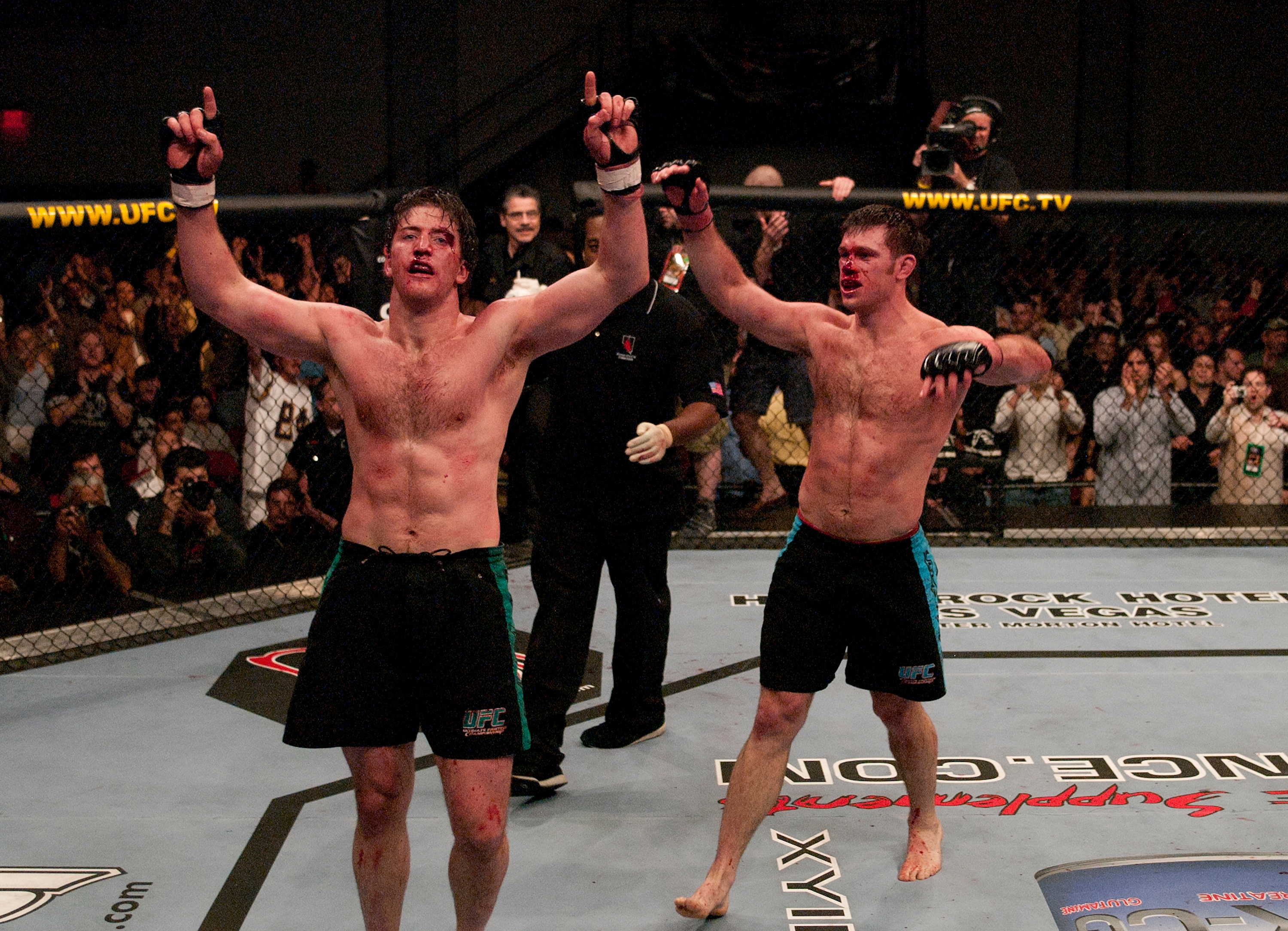
Think about one of the biggest moments in UFC history: Forrest Griffin vs. Stephan Bonnar at the very first finale event for “The Ultimate Fighter” back in 2005. That fight was practically nothing but ‘holy s***’ moments, but what elevated it to great sports drama was the story behind it. The winner got the big UFC contract. His dream would come true. So when you saw them fighting like two stray dogs battling over the last chicken wing, you understood what it meant and why it mattered.
Moments are great for highlight reels. They fit right in among the junk food content scroll on social media. But I question their ability to make someone a fan — or to hold onto them beyond the time it takes to flick their thumb in the direction of the little heart button.
The thing that makes fighting unlike any other sport is its ability to create anticipation and urgency leading to an inevitable and unpredictable payoff. Two people want the same thing. Only one can have it. They both say the prize will be theirs. Saturday night we’re going to lock them in a cage and find out, whether it takes 10 seconds or 25 minutes.
The appeal goes beyond just one crazy moment. It has to. Because if not, why would I sit through an entire UFC event? Especially when I could just hang out on Instagram and wait for the 15 seconds that matter to come and find me.